Water: assume a well until proven otherwise
The town's own Public Works department puts it plainly: Southwest Ranches is "mostly served by individual water wells and onsite disposal systems." Your water comes out of the ground under your own land, through your own pump, pressure tank, and treatment equipment.
A limited slice of town does have piped potable water, and here's the detail that trips people up: it's not one utility. Depending on where the parcel sits, piped service comes from the City of Sunrise Water Department, Pembroke Pines Utilities, or Cooper City Utilities. Two houses a half-mile apart can have different providers, or none. (Broward County itself supplies no water here; the county's role is regulatory, its Health Department oversees wells and septic.)
About the water itself: the shallow aquifer here commonly carries high iron and sulfur, harmless, but it stains fixtures and smells without treatment. Nearly every well home runs a treatment train (aeration or chlorination, filtration, softening). When buying, have the well flow-tested and the water lab-tested, ask for the treatment system's service history, and budget a few hundred dollars a year for salt, media, and maintenance, or a few thousand up front if the system is due for replacement.
Septic: your own private sewer plant
With few exceptions, homes here dispose of wastewater through a septic tank and drainfield, permitted and regulated by the Broward County Health Department. Septic is unremarkable when maintained, pump the tank every few years, keep heavy vehicles (and horses) off the drainfield, and mind what goes down the drain. What buyers should actually check:
- Inspection at purchase: a septic inspection with tank pump-out is standard practice here, separate from the general home inspection.
- Capacity vs. the house: additions and guesthouses built over the years don't always come with upsized septic. A 6-bedroom home on a 3-bedroom tank is a real (and findable) problem.
- Drainfield elevation: in a town where the water table is high and rainy-season standing water is a known issue, a low drainfield struggles. Ask when it was last replaced.
- Room to replace: drainfields are eventually rebuilt; setbacks from wells, canals, and barns constrain where a new one can go on smaller lots.
Fire, police, trash: the contract-town model
Southwest Ranches runs almost nothing in-house: it was founded as a "contract town" and contracts services from neighbors and vendors, which keeps its tax rate among the lowest in Broward:
| Service | Who provides it | Worth knowing |
|---|---|---|
| Police | Davie Police Department (contracted) | Dedicated patrols under contract; you'll see Davie PD units |
| Fire & EMS | Davie Fire Rescue + SW Ranches Volunteer Fire Dept. (Station 82) | Hybrid model; the volunteer department staffs a 3-person engine 24/7. Billed as a non-ad valorem assessment on your tax bill |
| Fire water | Dedicated fire-protection wells | No town-wide hydrant grid; pumper trucks draw from ~6-inch fire wells inspected annually, ask your insurer how they rate the property's protection class |
| Trash & recycling | Waste Management (contracted) | Also billed as a non-ad valorem assessment, not a utility bill; carts arranged through Town Hall |
| Electric | FPL | The one fully conventional utility. Generators are near-universal in the estate segment, hurricane outages on well pumps mean no power = no water |
| Roads & drainage upkeep | Contractors overseen by town Public Works | Many streets are private roads, maintenance obligations can sit with the residents on them; check before you buy on one |
Drainage and flood: three layers you should understand
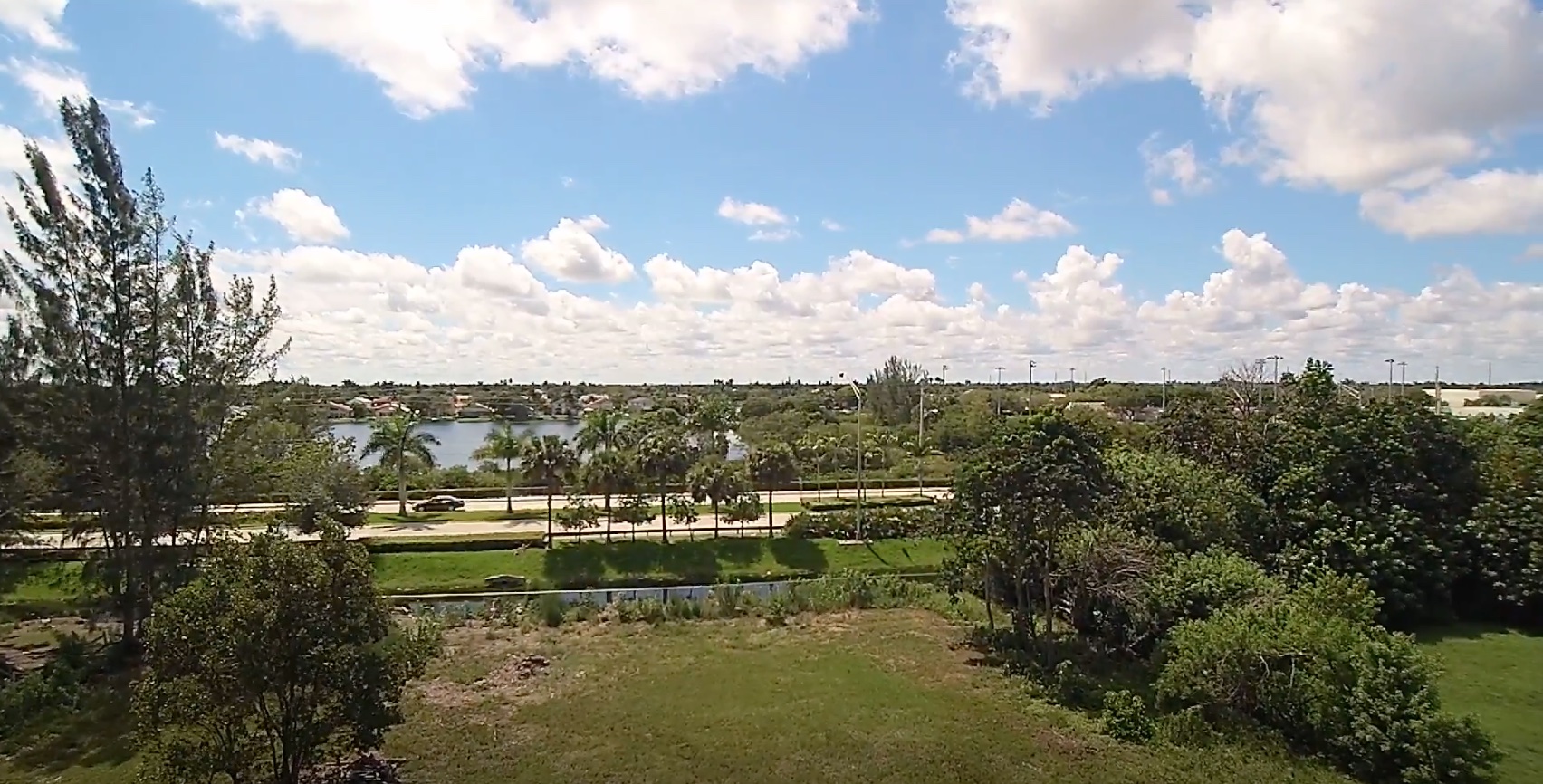
Everything west of Flamingo Road in Broward is engineered land at the Everglades' edge, and Southwest Ranches drains through a three-tier system: the South Florida Water Management District runs the primary canals (like the C-11), while secondary canals belong to the Central Broward Water Control District east of SW 148th Avenue/Volunteer Road and the South Broward Drainage District west of it, the SBDD alone manages 150 miles of canals from its headquarters right in town. The town handles the local (tertiary) swales and culverts.
- Which district a parcel sits in determines who you call when a canal bank fails, and shows up as another line on the tax bill.
- Open swales, not storm drains, carry road runoff. Keeping them clear is part of rural life, and parking on them is a code violation.
- Canal-front roads have no guardrails in most of town and no streetlights anywhere. Locals drive accordingly at night; teach teenage drivers the same.
- Flood zones vary parcel by parcel. Broward County's current FEMA flood maps took effect in July 2024, look the specific address up on the county's flood map tool, and price flood insurance into your carrying costs rather than assuming.
- Walk the land in the rainy season if you possibly can. Grading and standing water separate the great parcels from the cheap ones, and September tells the truth that March hides.
The utilities due-diligence checklist
- Water source documented and verified with the provider (or well flow + lab test)
- Well equipment and treatment system age, service records, and replacement cost
- Septic inspection with pump-out; tank capacity vs. bedroom count; drainfield age
- Flood zone from the county's 2024 FIRM maps + flood insurance quote
- Drainage district (CBWCD vs SBDD) and any assessments on the TRIM notice
- Private-road status and any shared maintenance obligation
- Generator/transfer switch, or budget to add one
None of this should scare you off, thousands of families run these systems without a second thought, and the payoff is land and privacy no utility-grid suburb can offer. It just has to be inspected and priced, not discovered after closing.