Zoning: the first thing to check on any listing
Nothing about a Southwest Ranches property matters more than its zoning district: it sets the minimum lot, what you can build, and how many animals you can keep. The residential map is mostly five districts:
| District | Minimum lot | Building coverage cap | Feel |
|---|---|---|---|
| RE: Rural Estate | 1 net acre (125 ft min width) | 20% | The town's "smaller" estate lots |
| RR: Rural Ranches | 2 net acres / 2.5 gross | 10% | The classic Southwest Ranches parcel |
| RR-A: Rural Ranches-A | 2.5 net acres | 8% | The most protective district (added 2022) |
| A-1: Agricultural Estate | 2 net / 2.5 gross acres for a residence | 20% | Estate + genuine agriculture |
| A-2: General Agricultural | 2 net / 2.5 gross acres for a residence | 20% | Working farms; unrestricted livestock |
Older lots of record are grandfathered in places (some pre-1979 RE lots at 35,000 sq ft, some pre-1993 RR lots at 80,000 sq ft), which is why you'll occasionally see a legal sub-acre parcel. Every district caps height at 35 feet and requires 40–60% of the lot to stay pervious. Guesthouses are allowed as accessories on lots of 35,000+ sq ft, capped at 600–1,200 sq ft depending on lot size, no stove, and they cannot legally be rented out.
Taxes: low millage, and a real farm play
The town's operating millage is 3.9 mills: held flat for years and among the lowest of any Broward municipality (the town's own example: an $850,000 taxable value pays about $3,315 in town tax; county, schools, and districts bill on top of that, and fire and trash arrive as separate flat assessments on the same bill).
The serious money-saver here is Florida's agricultural classification ("greenbelt," F.S. § 193.461). Land in bona fide commercial agricultural use, a real nursery, grove, hay operation, or livestock breeding program, is assessed at agricultural use value rather than market value, which on multi-million-dollar acreage can be a five-figure annual difference. The mechanics: the use must exist on January 1, you file Form DR-482 with the Broward County Property Appraiser by March 1, and the appraiser's Agricultural Division does inspect. Two honest caveats: it covers the qualifying land, not your house, and "I own horses I ride on weekends" is not a bona fide commercial operation, structure it properly or don't count on it.
Schools
The town runs no schools; students attend Broward County public schools, most commonly Hawkes Bluff Elementary (physically inside the town), Silver Trail Middle, and West Broward High. Broward attendance boundaries are drawn by address, though, so verify the specific home's assignments at browardschools.com rather than trusting a listing.
The private-school anchor is in town: Archbishop McCarthy High School, the Catholic college-prep school on Flamingo Road, draws families from across southwest Broward. Davie, Cooper City, and Pembroke Pines add a deep bench of private and charter options within 20 minutes; school choice is genuinely one of the area's quiet strengths. The full schools breakdown (public, charter, private, and the voucher math) is here.
Getting everywhere else
- Position: bordered by Weston, Davie, Cooper City, Pembroke Pines, Miramar, and the Everglades. You're on the civilized edge of the map, 15 miles southwest of Fort Lauderdale.
- Highways: I-75 at Griffin Road, plus the Griffin and Sheridan corridors east; US-27 runs the western edge.
- Airports: Fort Lauderdale–Hollywood roughly 25–45 minutes depending on traffic; Miami International about 30–40. Executive aviation at North Perry and Fort Lauderdale Executive is closer still, one reason the athlete-and-entertainer contingent settled here.
- Daily life: there is deliberately almost no commerce in town, groceries, restaurants, and gyms are a 10–15 minute drive into Pembroke Pines, Cooper City, or Weston. Price that into your idea of "convenient."
The market, honestly (mid-2026)
Southwest Ranches is a thin, high-end market, a few dozen active listings at any time, and that shape matters more than any single statistic:
- Asking vs. getting: recent months have shown median listing prices around $2.4M–$3.3M while median sold prices have run roughly $1.4M–$1.8M. That gap is the town's defining negotiation dynamic.
- Time: typical time-on-market reports over the past year range from about three months to over six. Nothing here sells in a weekend, and that's normal.
- Volatility: with so few trades, monthly medians can swing 30%+ on composition alone. Ignore headlines built on one month of data, in either direction.
- What it means for buyers: patience and comps win; there is real room between ask and close on long-sitting estates.
- What it means for sellers: price to sold comps and presentation, or feed the days-on-market statistic. The homes that move are the ones marketed on the lifestyle, land, barns, trails, to the specific buyer pools (equestrian, privacy, multi-generational) who pay for it.
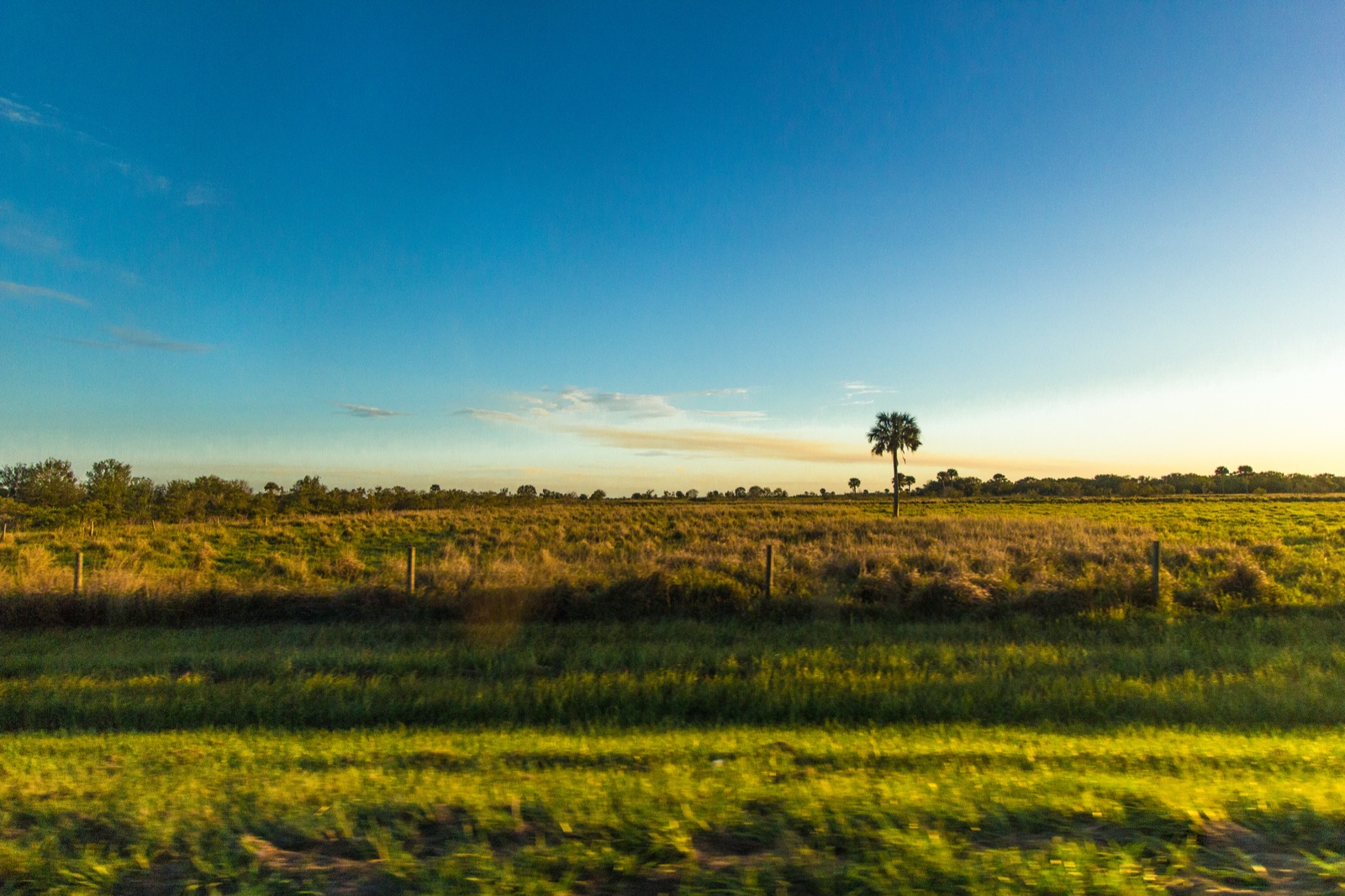
Ten surprises buyers tell us about afterward
- The nights are dark: no streetlights is wonderful and startling in equal measure.
- Well water needs a treatment system, and the first sulfur whiff before it's dialed in is memorable.
- No power = no water. Everyone ends up with a generator eventually; buy the house that already has one.
- Canal-edge roads without guardrails demand real respect at night.
- The "HOA" that called about joining is voluntary, and worth joining anyway; it's the town's social fabric.
- Your tax bill has line items suburbia never showed you: fire assessment, trash assessment, drainage district.
- That barn addition needs a permit and 50-foot setbacks, and the seller's unpermitted one is now your problem.
- Roosters are legal, plentiful, and start early. So do the peacocks nobody officially owns.
- Some streets are private roads, the neighbors maintain them, together, imperfectly.
- Everything is a drive. You will put 3,000 more miles a year on the car and stop noticing within a month.
The pre-offer due-diligence list
- Zoning district + permitted-use check against your actual plans (Sec. 045-050)
- Survey with easements, trail, drainage, and utility easements are common
- Water source verified; well flow + lab test; treatment system service history
- Septic inspection, capacity vs. bedrooms, drainfield age
- Permit history on every structure, barns, arenas, guesthouses, additions
- Flood zone on the county's 2024 FIRM + flood insurance quote
- Private-road status and shared maintenance terms, if any
- Covenant check in title work, the few deed-restricted pockets hide here
- Ag classification status: is it in place, and does it survive the sale with your intended use?
- Rainy-season site visit, or at minimum drainage/grading review by someone who knows the block