First, the rule: most of the town has no HOA
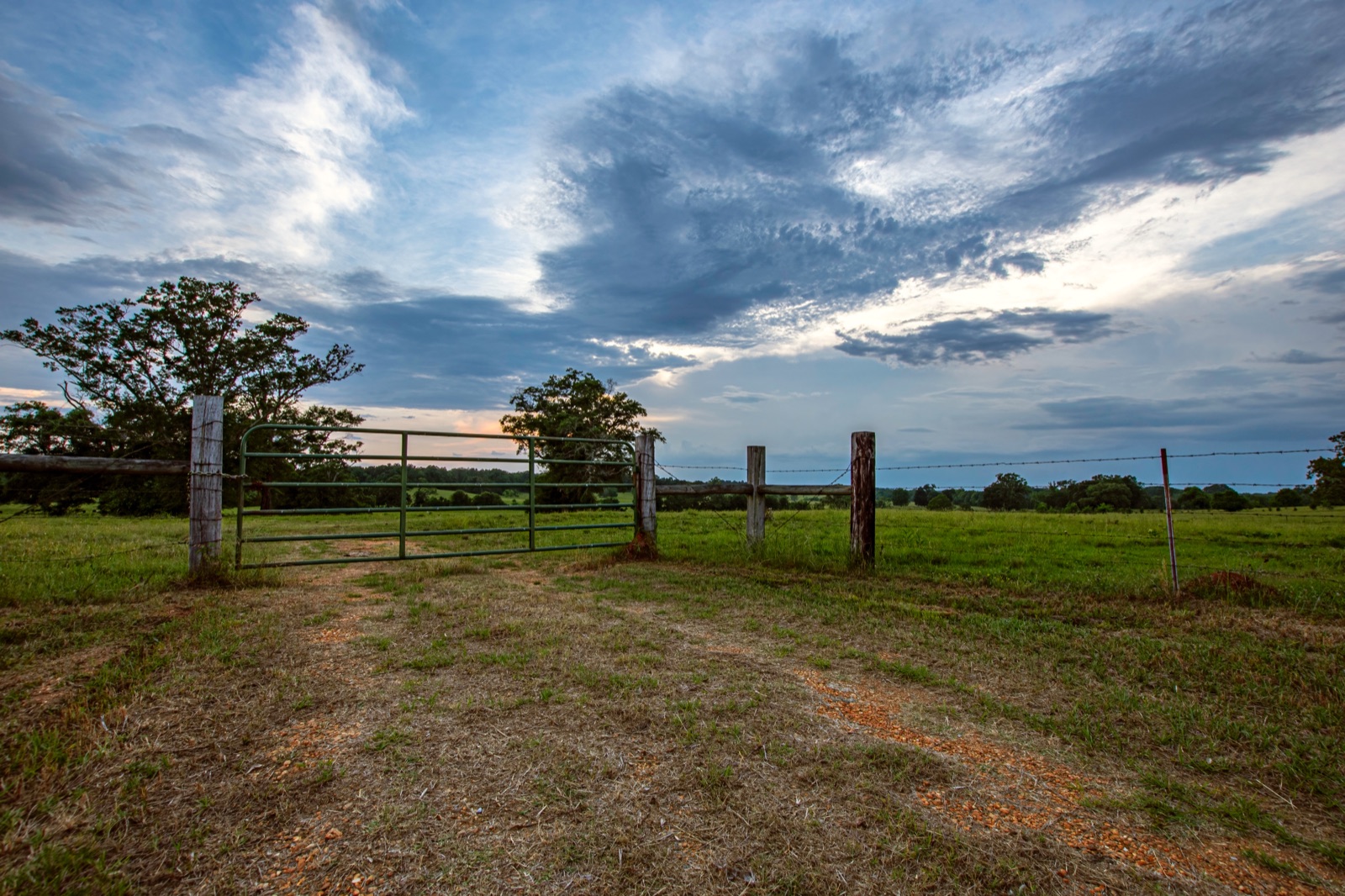
Southwest Ranches was founded by homeowners associations, but not the kind you're thinking of. The groups that led the incorporation fight in the late '90s, and that still meet monthly today, are voluntary civic associations: nonprofits you can choose to join, that advocate for the neighborhood, publish newsletters, and pack Town Council meetings when something threatens the rural lifestyle. They do not have deed-based authority. They cannot charge you mandatory dues, approve your paint color, or put a lien on your property.
What governs most properties here instead is the town code itself: acre-plus zoning, 50-foot setbacks for animal structures, fence rules, plot-coverage caps. In practice the town plays the role an HOA plays elsewhere, with one enormous difference: its rules exist to protect the rural lifestyle (your right to keep horses, the absence of streetlights), not to standardize it.
The exceptions: where HOAs are real
A handful of gated enclaves were platted with recorded covenants, and there the HOA is entirely real: dues, gates, architectural standards, the works:
- Landmark Ranch Estates: the town's marquee gated community. 44 fully-custom homes on roughly two-to-three-acre lots behind a staffed gate with 24-hour patrols. The Homeowners' Association of Landmark Ranch Estates, Inc. is a mandatory association covering security, common areas, and architectural guidelines; listing services have recently reported dues in the four-figure range (confirm the current amount and billing period on any home you consider). This is where "the Hamptons of South Florida" marketing comes from, and where several of the town's celebrity residents have bought.
- Ivanhoe Estates: a smaller guard-gated community in the town's northeast, mostly built in the mid-1980s, with a mandatory association billed quarterly (recent figures reported in the $250–$360/quarter range, modest by gated-community standards). Note: there is also a non-gated "Ivanhoe" area in neighboring Davie; don't confuse the two when searching listings.
- Small covenant pockets: a few subdivisions inside the larger neighborhoods (for example, Stone Creek at Sunshine Ranches) carry their own gates or deed restrictions on fencing, setbacks, or trail easements. These are parcel-specific: your title search and the seller's disclosures will reveal them, and it's exactly the kind of thing to ask a local agent about street by street.
The neighborhoods, compared
| Community | Character | Typical lots | Gated? | Association |
|---|---|---|---|---|
| Sunshine Ranches | The equestrian heart, farms, stables, arenas, direct trail access, the town's equestrian park | ~2–2.5 acres | No (one small gated pocket) | Voluntary civic association |
| Rolling Oaks | Estate living with equestrian trails, custom homes, its own historic community barn | 1–2.5+ acres | No | Voluntary civic association |
| Green Meadows | ~210 homes from the late '70s/early '80s; the town's relatively attainable entry point | 1+ acre | No | None mandatory |
| Country Estates | Western Griffin Road corridor; deep-rural feel near the Everglades edge | 1–2.5+ acres | No | Voluntary homeowners association |
| Landmark Ranch Estates | 44 custom estates, staffed gate, 24-hr patrols, strict architectural standards | ~2–3 acres | Yes | Mandatory HOA |
| Ivanhoe Estates | Mid-'80s guard-gated enclave, smaller lots by town standards | ~1 acre | Yes | Mandatory HOA (quarterly) |
| Chambers Estates | Subdivision within the Rolling Oaks area; many lakefront lots | 1+ acre | Listings say gated, verify | Verify per parcel |
Lot sizes are typical ranges, not minimums, zoning minimums vary by district. Association status compiled from town records, community organizations, and listing data as of August 2026; always confirm on the specific parcel.
The association directory: who to contact, where they meet
Almost none of this is published anywhere in one place; it's assembled from the associations' own sites and the Town's meeting calendar:
| Association | Type | Meets | Online |
|---|---|---|---|
| Sunshine Ranches HOA | Voluntary, $50/yr | Last Wednesday, 7 PM, Town Hall | sunshineranches.org: join online, monthly Waggler magazine, classifieds, scholarship fund |
| Rolling Oaks Civic Association | Voluntary | Fourth Tuesday, 7 PM, Rolling Oaks Barn (SW 56th St) | No website, show up at the Barn, or watch the Town calendar |
| Country Estates HOA | Voluntary | First Monday, 7 PM, Grace Baptist Church (Griffin Rd) | No website, Town calendar lists the dates |
| Ivanhoe Estates HOA | Mandatory | See site | ivanhoeestateshoa.com: forms, governing docs; professionally managed (Joyful Homes) |
| Landmark Ranch Estates HOA | Mandatory | Private | No public website, contact through the gatehouse or your agent |
| Green Meadows | None active found | , | Neighbors organize informally (Nextdoor) |
Meeting schedules from the Town of Southwest Ranches events calendar and association sites, August 2026, confirm before attending.
How things actually work when you need something
- In the voluntary areas (most of the town): there is no association to ask permission from, but there's also no association to call. Your barn, fence, or addition needs a Town permit (all construction and alterations, including reroofs and window replacements, go through the Town's online permitting portal, reviewed by its contractor CAP Government). Joining the civic association is $50 well spent anyway: the Waggler classifieds are where hay guys, farriers, and trailer mechanics actually get found, and the association is your voice when something comes before Town Council.
- In Ivanhoe and Landmark (mandatory HOAs): exterior changes need association approval first, town permit second: Florida's HOA statute (Ch. 720) gives the architectural review board formal say before you touch the outside of the house, and the covenants can be stricter than town code. Ivanhoe's forms and governing documents live on its website; Landmark handles everything privately.
- When you buy in a mandatory-HOA community: your closing requires an estoppel certificate from the association (Florida law gives them 10 business days to produce it) stating dues, fines, and any open violations on the property, your title company orders it, but knowing it exists is how you avoid inheriting the seller's unpaid assessments or that unapproved fence.
- Everything infrastructure: drainage, swales, road signs, trails, goes to the Town (or your drainage district), never to an association. Town Hall: 13400 Griffin Road, (954) 434-0008.
Choosing between them
Buy in Sunshine Ranches if horses are the point. It's the largest equestrian concentration in the town, the trail access is unmatched, and the voluntary association is the town's most active, this is the neighborhood that created Southwest Ranches.
Buy in Rolling Oaks or Country Estates if you want maximum land-freedom on large acreage with a strong community fabric but no gates and no rules beyond town code.
Buy in Green Meadows if you want into the town at the (relatively) lowest price point, older homes on an acre-plus that you can renovate or eventually rebuild.
Buy in Landmark Ranch or Ivanhoe if you want the Southwest Ranches setting with gates, patrols, and enforced standards, you're trading some freedom (and dues) for security and uniformity. This is the segment most out-of-state and celebrity buyers land in.
Street-level differences, which roads flood in a heavy September, which blocks back onto the C-11 canal, where the trail easements actually run, are exactly the kind of thing that doesn't survive being written down in a general guide. That's a conversation. Which is what the phone number below is for.